Legs Up the Wall Benefits: How to Do It for Relaxation, Circulation, and Stress Relief
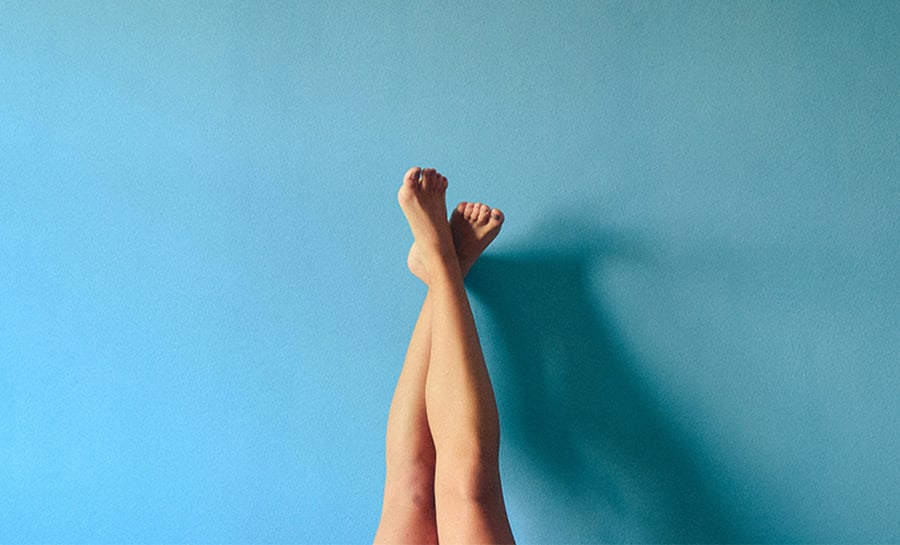
If you’re looking for a simple yet powerful way to reset your body and calm your mind, Legs Up the Wall may be one of the most effective tools you can add to your routine.
Legs Up the Wall, or Viparita Karani in Sanskrit, this gentle inversion is rooted in traditional yoga practices and has been used for centuries to support relaxation, circulation, and nervous system regulation. Today, it’s one of the most popular restorative yoga practices, and for good reason!
In the yogic tradition, Viparita Karani is considered both a mudra (energetic seal) and a restorative posture.
From improving circulation to supporting better sleep and reducing stress, the Legs Up the Wall benefits are wide-ranging and accessible to nearly everyone. Whether you’re brand new to yoga or looking for a simple recovery tool, this pose is a powerful place to start.
What Is Legs Up the Wall Pose (Viparita Karani)?
Legs Up the Wall is a gentle inversion where you lie on your back and extend your legs vertically against a wall.
Ready to try it right now? Watch this super quick YouTube short tutorial video
Unlike more advanced inversions, this pose requires no strength or balance, making it ideal for beginners and experienced practitioners alike. It’s commonly used in restorative yoga and recovery-focused practices because it allows the body to fully relax while still offering powerful physiological benefits.
Super fun fact: In the yogic tradition, Viparita Karani is considered both a mudra (energetic seal) and a restorative posture.
In his beloved and globally popular book Light on Yoga, B.K.S. Iyengar describes inversions as deeply rejuvenating, noting they help “relieve the tiredness caused by standing or sitting all day” and support overall vitality. This reinforces the idea that Legs Up the Wall is not only physically beneficial, but energetically balancing as well.
Legs Up the Wall Benefits:
Buckle up! The benefits of this restorative yoga pose that is often referred to as “the king of stress relieving poses” are vast and also fascinating.
1. Improves Circulation
One of the most well-known Legs Up the Wall benefits is improved blood flow. Elevating your legs encourages circulation back toward the heart, which can help reduce swelling and fatigue, especially after long periods of standing or sitting.
Research supports this mechanism. A study published in the Journal of Physical Therapy Science found that leg elevation can significantly improve venous return and reduce lower limb swelling, particularly in individuals with prolonged sedentary or standing habits.
Recommended Read: How Yoga Can Help With Inflammation
- Supports venous return
- Reduces leg fatigue and heaviness
- May help minimize swelling in the lower extremities
2. Supports Lymphatic Drainage
This pose may support Legs Up the Wall for lymphatic drainage, helping your body move fluids more efficiently and reduce fluid retention.
The lymphatic system relies on movement and gravity to circulate lymph fluid. A review published in Frontiers in Physiology highlights how body positioning and gentle movement can assist lymphatic flow, suggesting that inverted or elevated positions like Legs Up the Wall may support this natural process.
- Encourages fluid movement
- Supports detoxification processes
- May reduce fluid retention
3. Calms the Nervous System
Because it’s a passive inversion, Viparita Karani activates the parasympathetic nervous system, often referred to as your “rest and digest” mode. This makes Legs Up the Wall for anxiety and stress relief especially effective.
Looking for more ways to downregulate your nervous system? Read: When You Feel Stressed, These 7 Nervous System Regulation Techniques Will Help
- Promotes relaxation
- Reduces stress response
- Supports nervous system regulation
4. Helps You Sleep Better
Practicing Legs Up the Wall before bed can help signal to your body that it’s time to wind down. Many people use this pose as part of a nighttime routine to support deeper, more restful sleep.
- Prepares the body for rest
- Supports sleep quality
- Reduces mental overstimulation
5. Relieves Tired Legs and Lower Back Tension
If you experience tightness or fatigue in your legs or lower back, this pose provides gentle relief by reducing pressure and allowing muscles to release.
- Releases lower body tension
- Supports spinal decompression
- Encourages muscular relaxation
Why This Pose Works
The effectiveness of Legs Up the Wall pose comes down to a few key mechanisms:
- Gravity-assisted circulation reduces pooling in the lower body
- Nervous system regulation shifts the body into a relaxed state
- Reduced muscular effort allows full-body recovery
- Mild inversion effects support fluid movement and relaxation
This combination makes it one of the most efficient low-effort, high-impact practices you can do in just a few minutes.
How to Do Legs Up the Wall
Refer to the YouTube short tutorial video linked at the top of this article, and follow the steps below to try this stress-relieving yoga pose for yourself.
- Sit sideways next to a wall
- Gently swing your legs up as you lower your back to the floor
- Adjust so your hips are close to (or slightly away from) the wall
- Let your arms rest by your sides or on your belly
- Relax your feet, legs, and face
- Stay for 5-15 minutes
Pro tip:
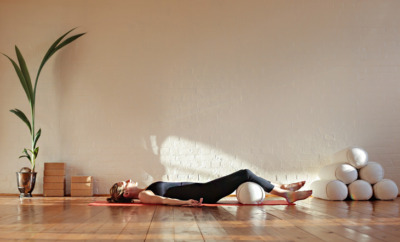
Place a pillow or bolster under your hips for added comfort and support. You can also place a folded blanket beneath your head. Some people prefer to keep their knees bent. Try these variations to see what feels best in your body.
How Long Should You Do Legs Up the Wall?
If you’re wondering how long to do Legs Up the Wall, start with 5 minutes and gradually build up to 10–20 minutes depending on your comfort level.
Even a few minutes can deliver noticeable Legs Up the Wall benefits for stress relief and circulation.
Contraindications and Considerations
While this pose is gentle, it’s not for everyone.
- Glaucoma or serious eye conditions
- Uncontrolled high blood pressure
- Recent leg or hip injuries
- Pregnancy (consult your doctor)
If you feel tingling, numbness, or discomfort, slowly come out of the pose.
Who Is This Pose Best For?
This pose is especially helpful if you:
- Sit or stand for long periods
- Experience stress or anxiety
- Want a gentle recovery practice
- Are new to yoga or exploring restorative yoga
Conclusion
The beauty of Legs Up the Wall lies in its simplicity. With no equipment and minimal effort, you can experience powerful benefits from improved circulation and lymphatic support to reduced stress and better sleep.
Whether you’re using it as a recovery tool, a bedtime ritual, or a moment of stillness in your day, Viparita Karani is a practice you can return to again and again. Small, consistent practices like this often create the biggest shifts over time.
This article has been read 90K+ times. Hot damn!

 Katie D'Onofrio
Don't Miss These









This Month's Letter
From the Editor
Monthly motivation and food for
thought from our founder.